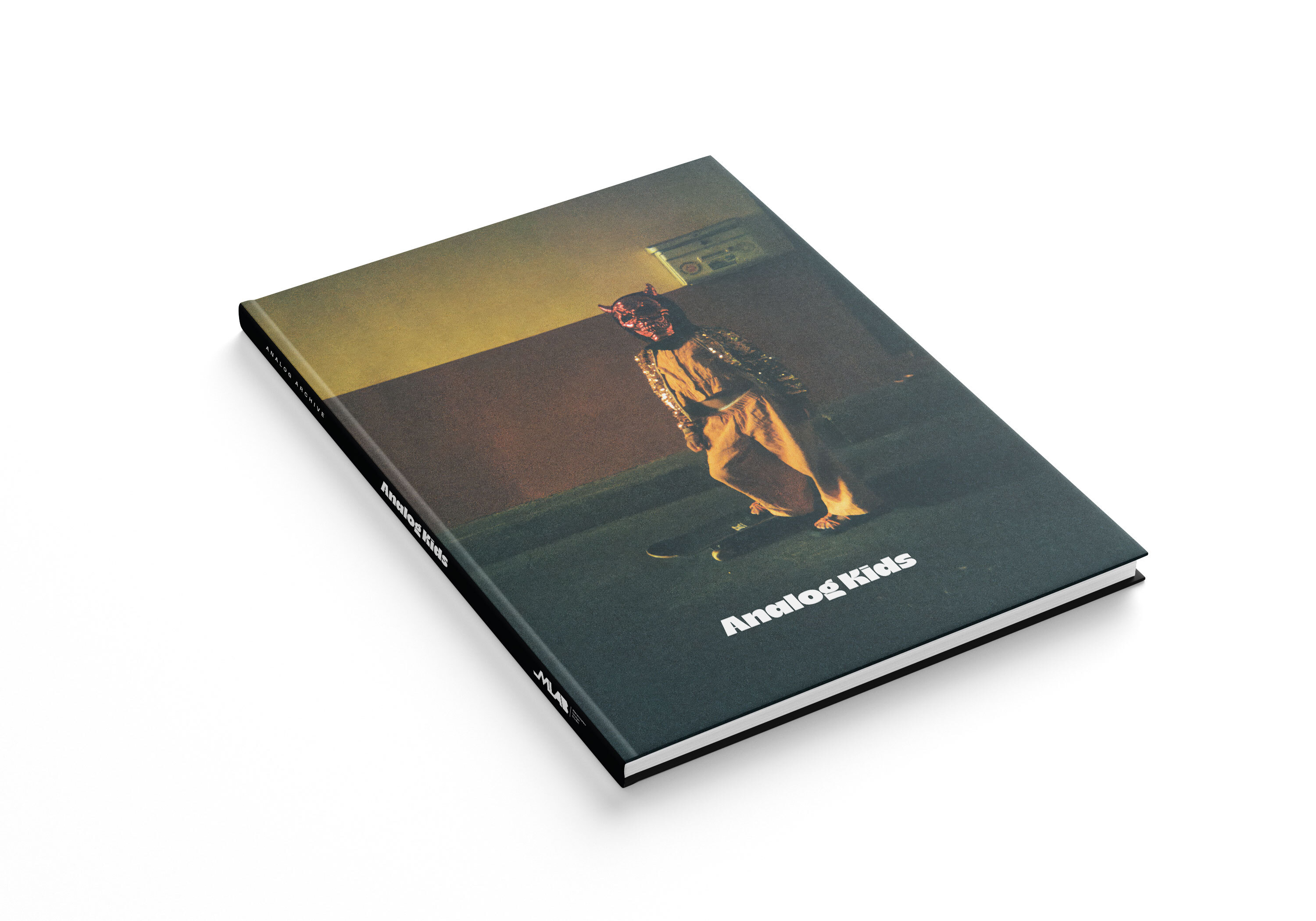
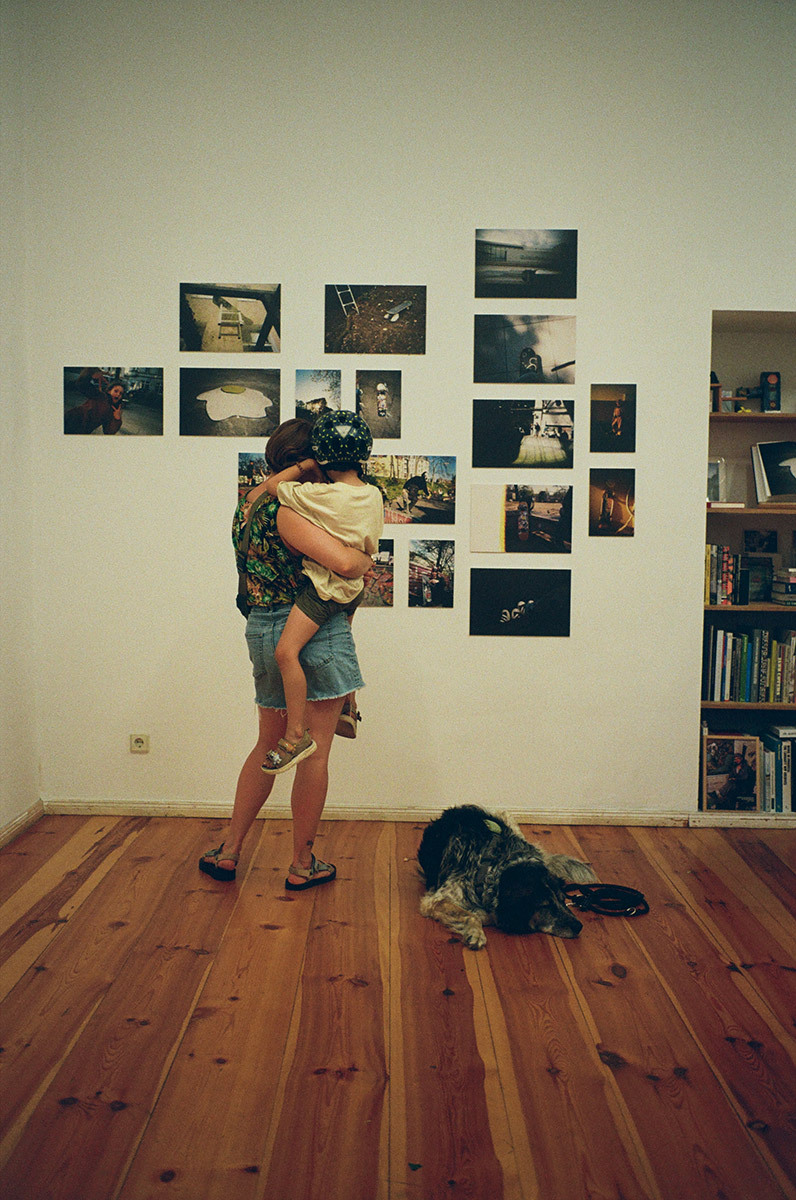
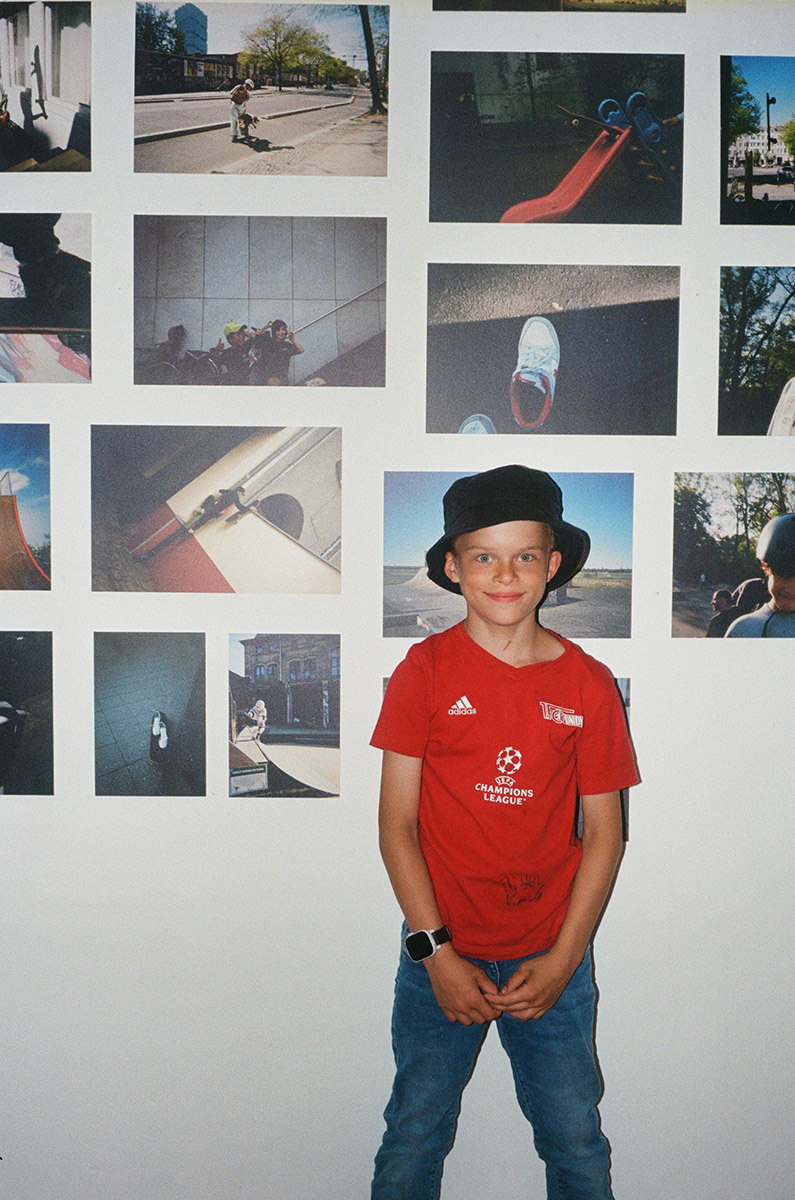
You hear everywhere that the core scene is currently lacking new talent, but instead of joining in the chorus of complaints, Peter Keller thought about how he could motivate kids and launched the Analog Kids photo project in Berlin, the results of which were recently presented in an exhibition and a book. We were impressed by the photos the kids came up. Take a look at the new generation.
My name is Peter Keller. I’ve been running the Menschlabor Design Studio since 2003, and I mostly hang out in subcultures, primarily the skateboard scene. On the side I do photography and run art and cultural projects. I try to give a little something back to the local scenes. Right now that’s mainly in Berlin.
Last year, a friend and I were tossing around some project ideas, and we came up with the concept of shifting the perspective, so it’s not always adults taking the photos. What would happen if we put cameras into kids’ hands for a period of four weeks? It’s not a brand-new idea, but it’s an approach to get some really interesting material from kids who are simply living the culture, without any cynicism or preconceptions. Just a fresh perspective on our scene. How does the next generation see skateboarding? The plan was to give cameras to kids between the ages of 7 and 12. I decided to use reusable cameras to make it more sustainable and to allow it to become a longer-term project. I also wanted to involve the community around it. That’s why I had the idea of having them pick up the cameras at local skate shops – to capture the whole cultural picture, since every shop has its own community in its orbit. We set up an online form on the project’s website where the kids could sign up and choose the shop where they wanted to pick up and drop off their cameras. I only had 13 spots, and they were gone within a few days.
The cheapest reusable retro-look cameras from AgfaFoto. Just basic plastic with a built-in flash.
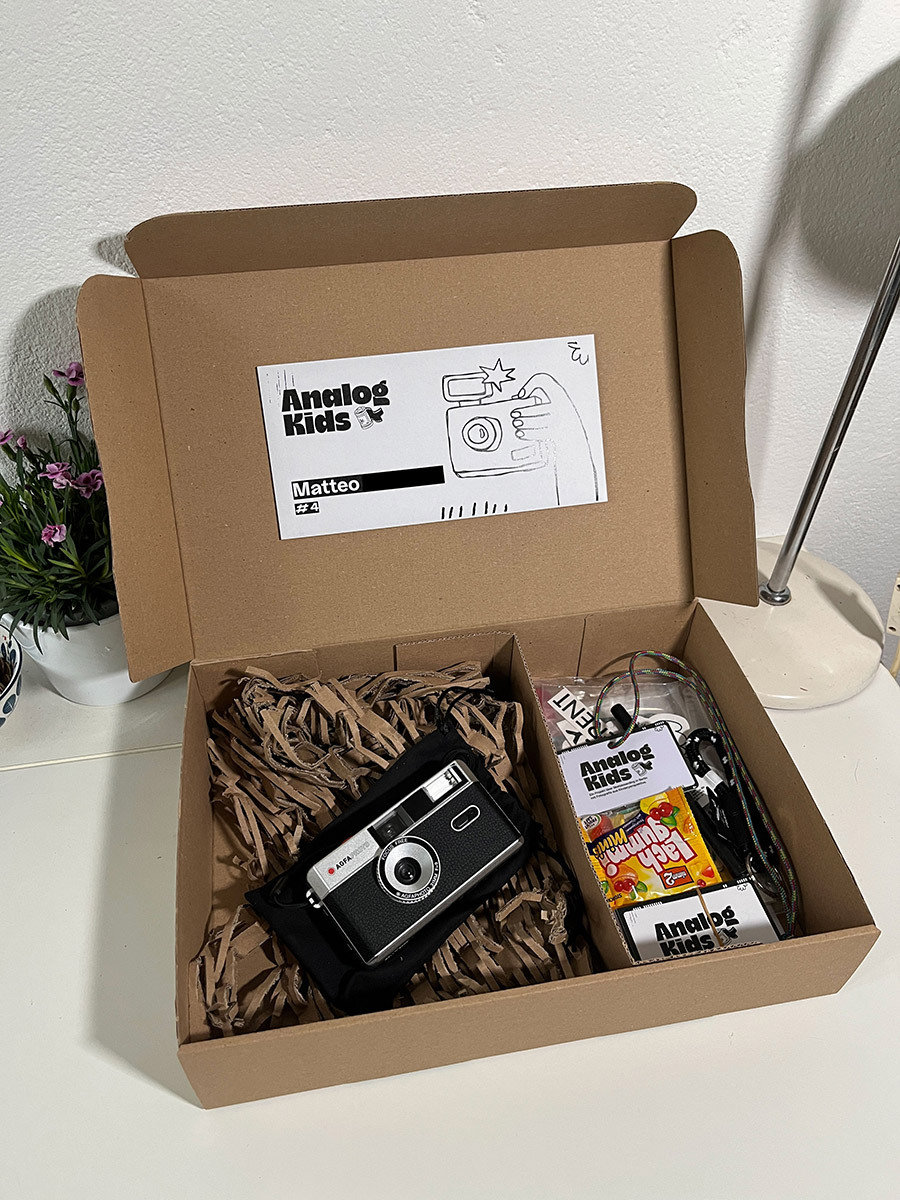
We put a bit of info for the kids in the packaging, and of course, I was always here to answer any questions they had. But the actual meetup didn’t happen until the exhibition. That said, a lot of the kids already knew each other anyway. On the other hand, I also wanted the kids who didn’t know each other to connect at the show, talk shop, and maybe end up visiting each other to skate.
With analog, it was mostly about deceleration. Not having the option to just reshoot things over and over, but taking the time to consciously think about your motifs. And when you look at the results, it’s a really interesting mix of well-thought-out shots and quick snapshots, which are both essential parts of it anyway. I just wanted to slow things down a bit for the kids. Skateboarding thrives on DIY culture, and I think it’s an important lesson to teach kids that things take time. Whether you’re building a skatepark or taking a photo, things need time and thought to turn out right.
I mean, they’ve all definitely held a phone and used it to film or take photos. Kids today grow up much more organically with photography; they’re basically bombarded with visuals from all sides. Of course, we ended up with a lot of photos with a thumb over the lens, or where they forgot to use the flash. You could tell some of them lacked experience. Still, everyone managed to deliver something cool, even if they’d never held an analog camera before. Naturally, I relied a bit on the parents helping out a little or the kids supporting each other. I didn’t want to make it super easy for them. The whole DIY mindset is: “Hey, I’ll just figure this out on my own.” And I think that’s something that really builds character and sharpens their minds, showing them: “Okay, there are different ways to figure out how things work.” One kid only had two photos on their roll of film, and I felt super bad about that. But hey, sometimes that’s just how it goes.
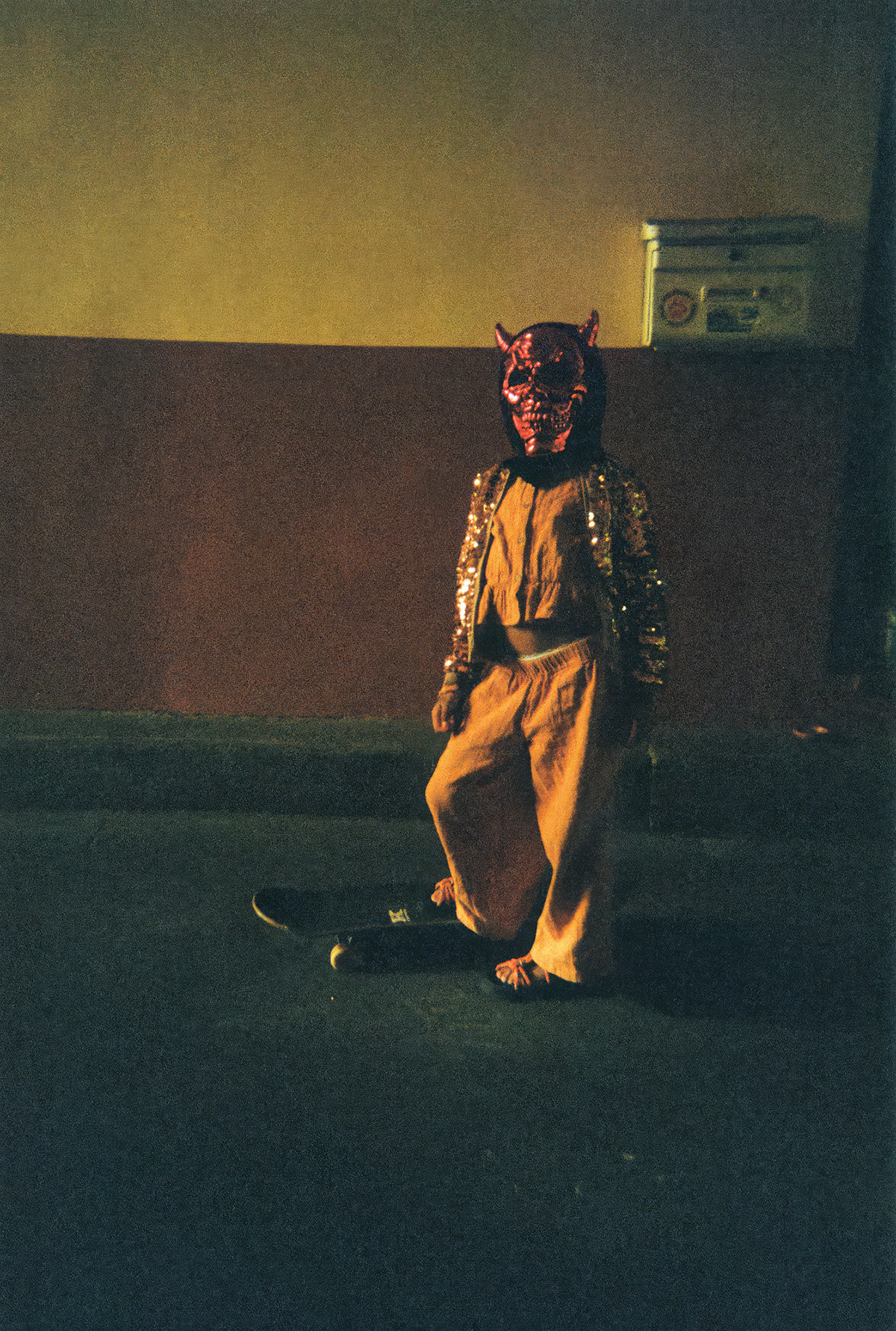
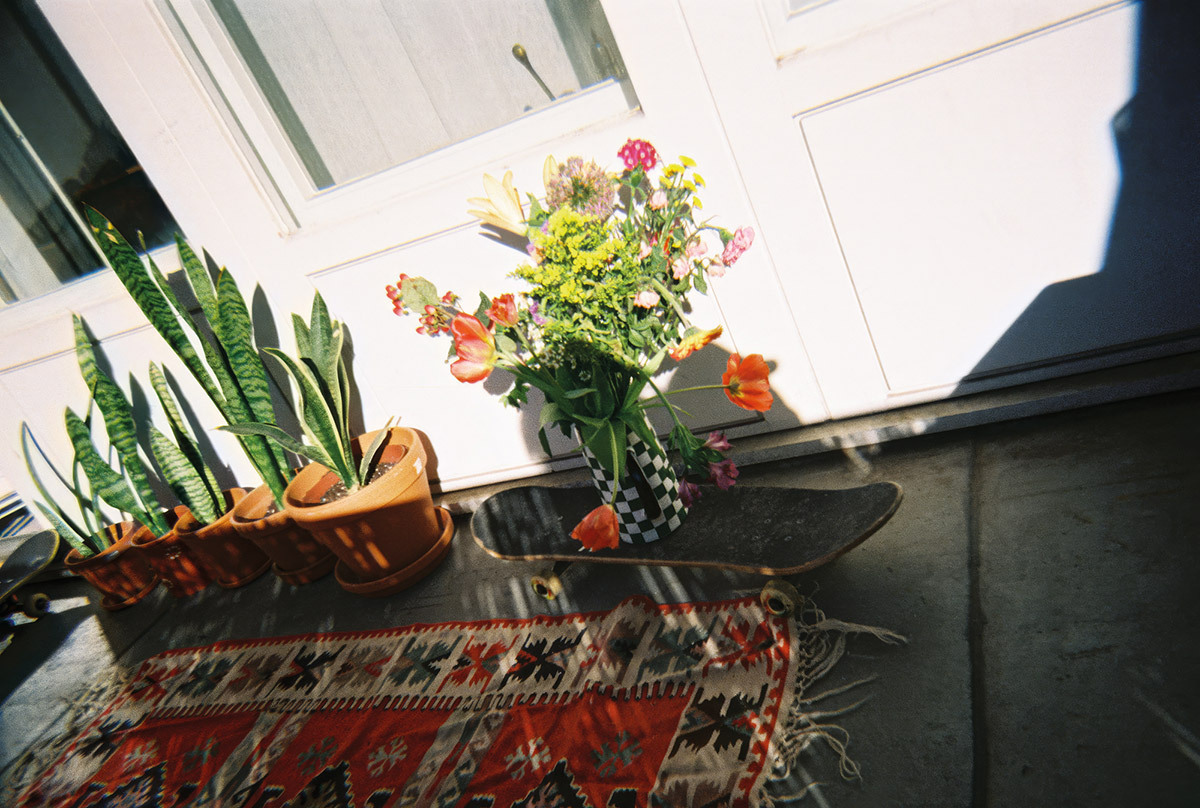
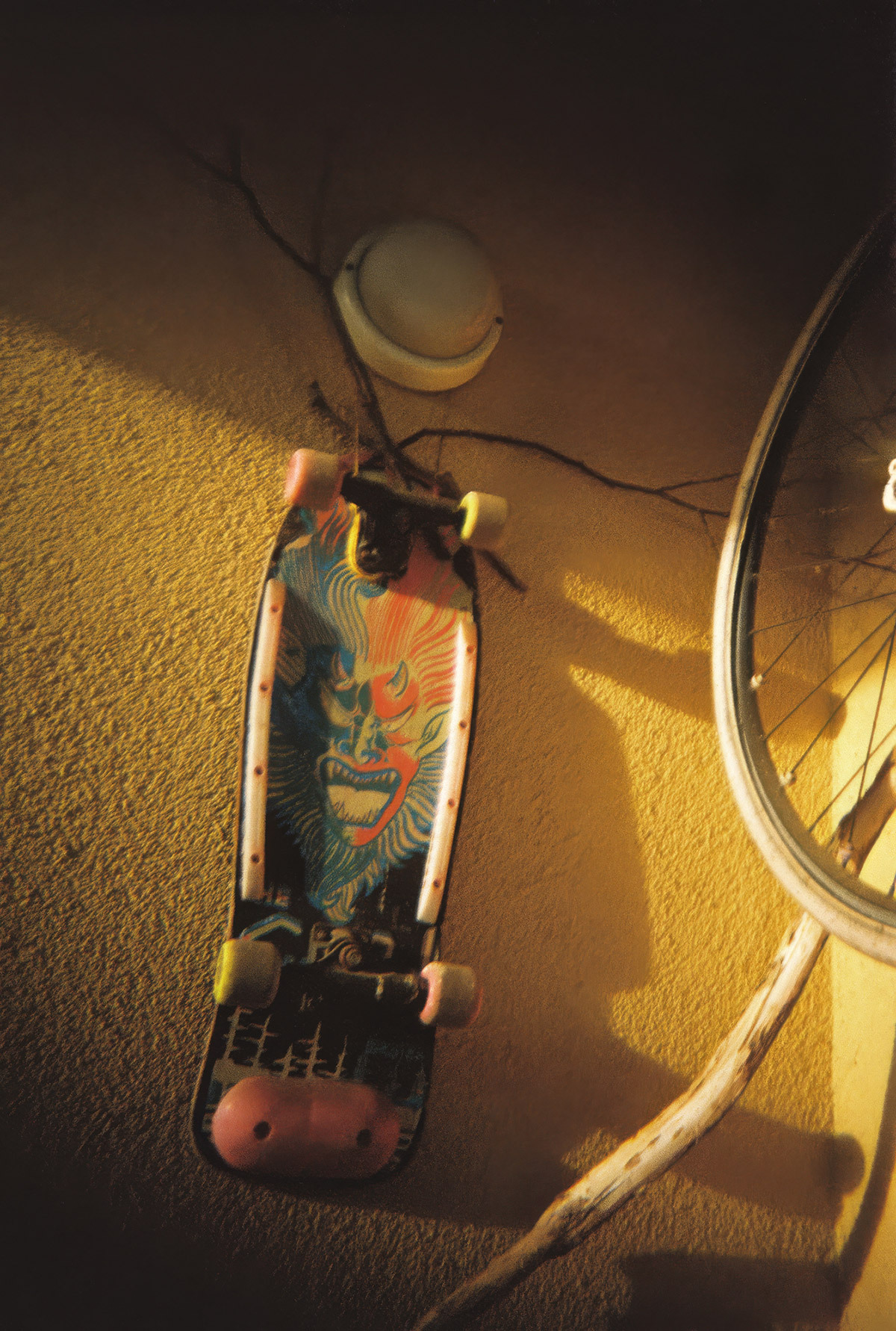
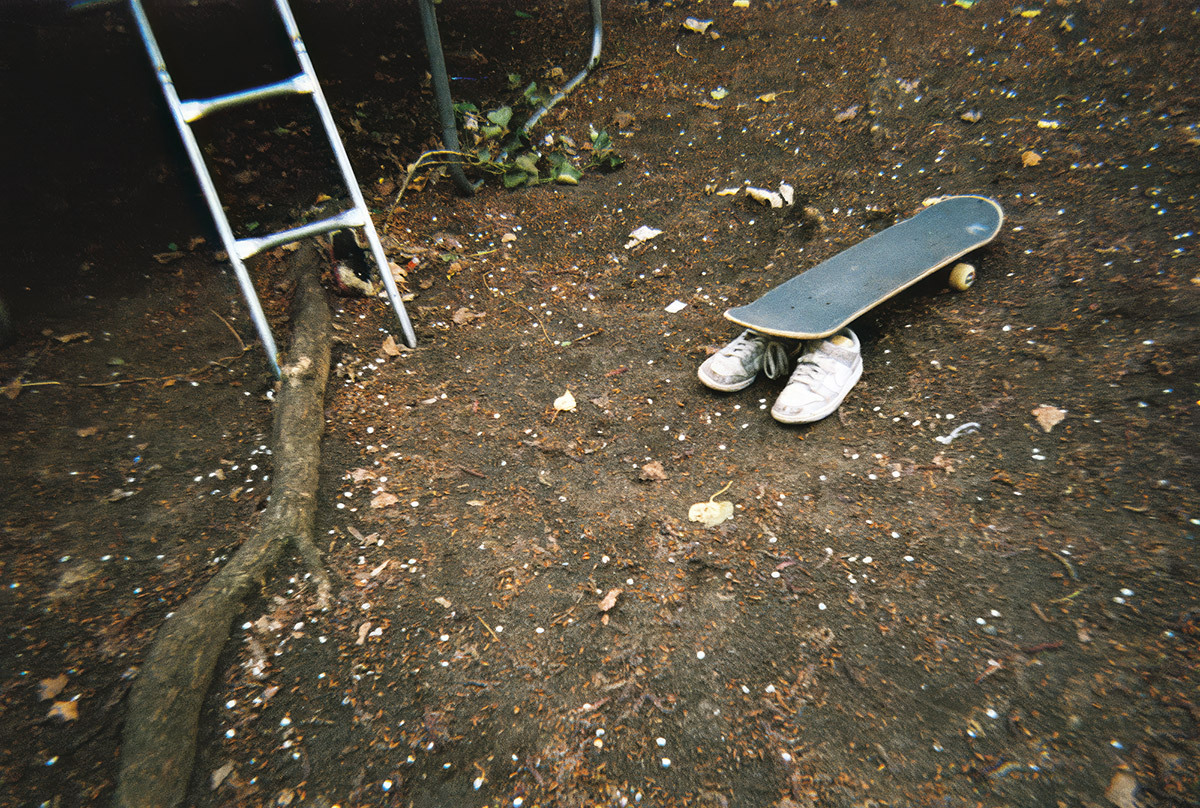
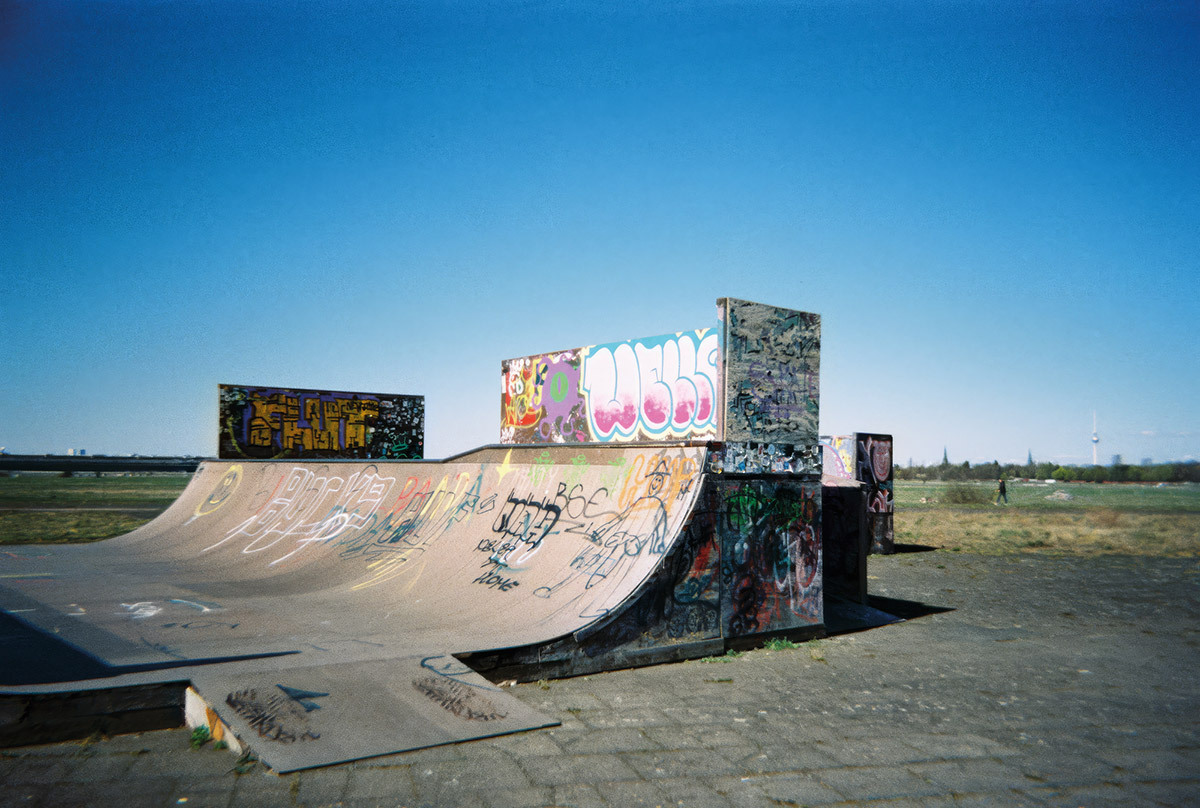
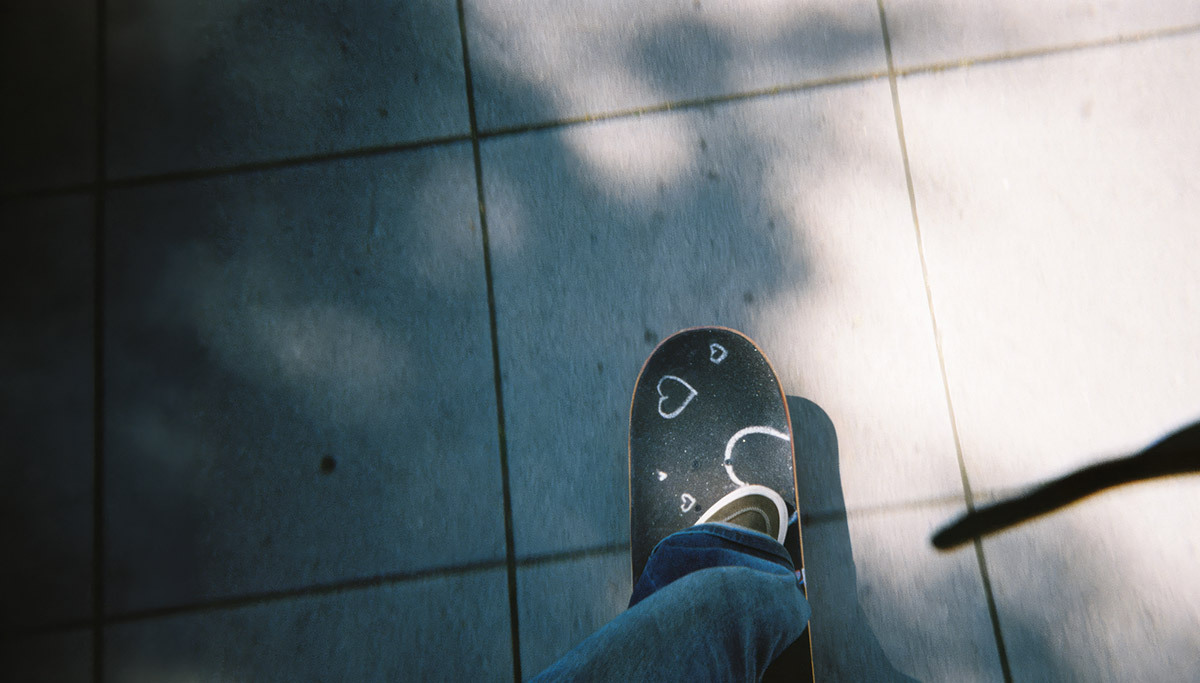
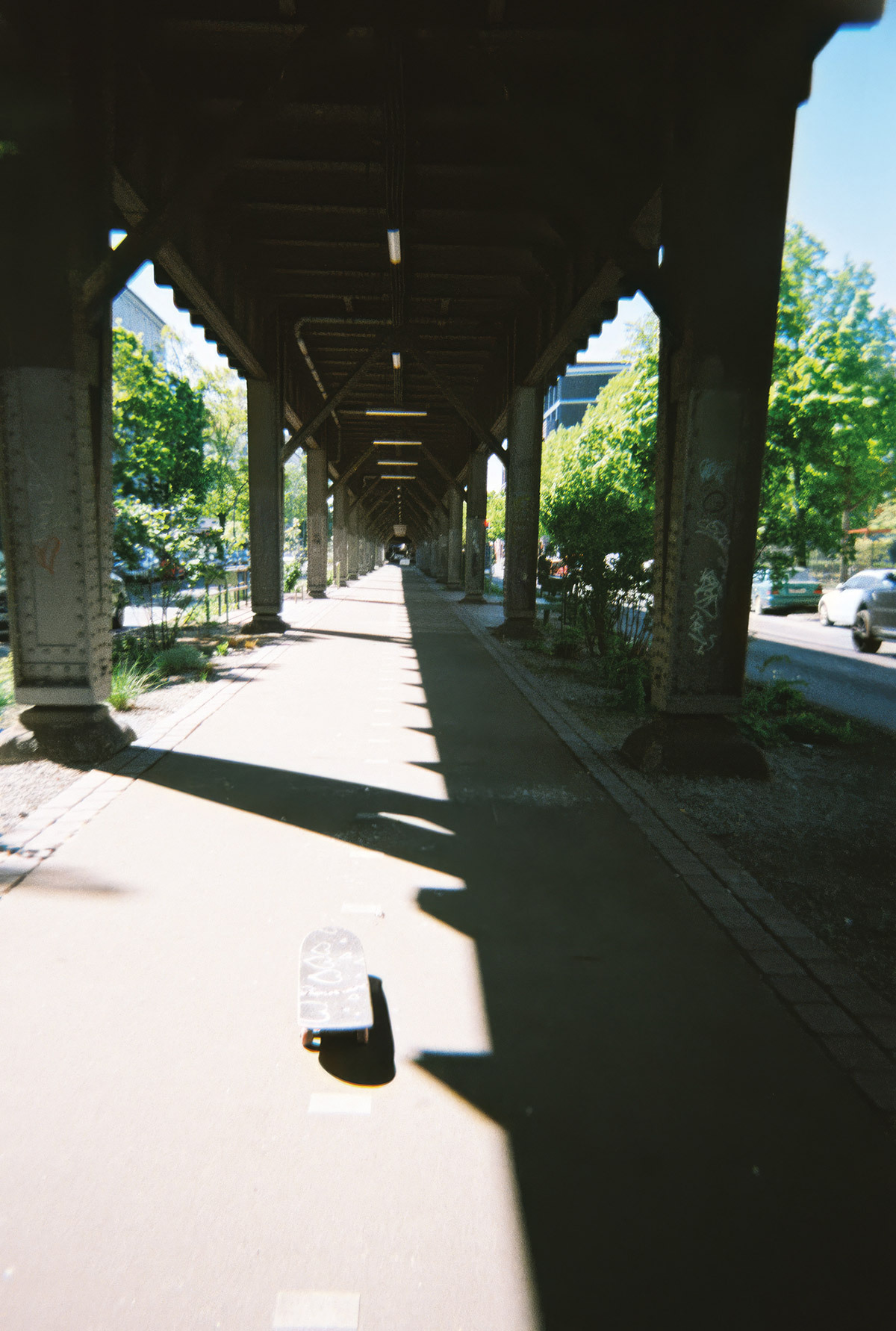
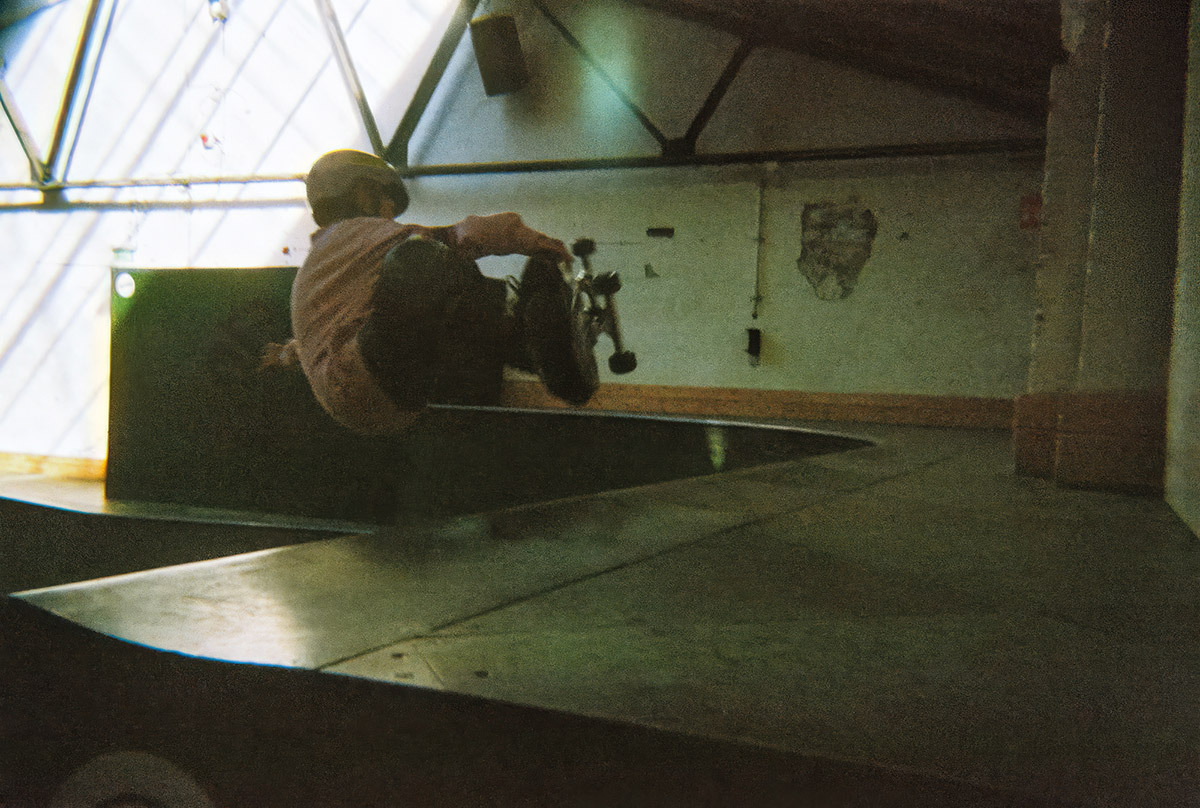
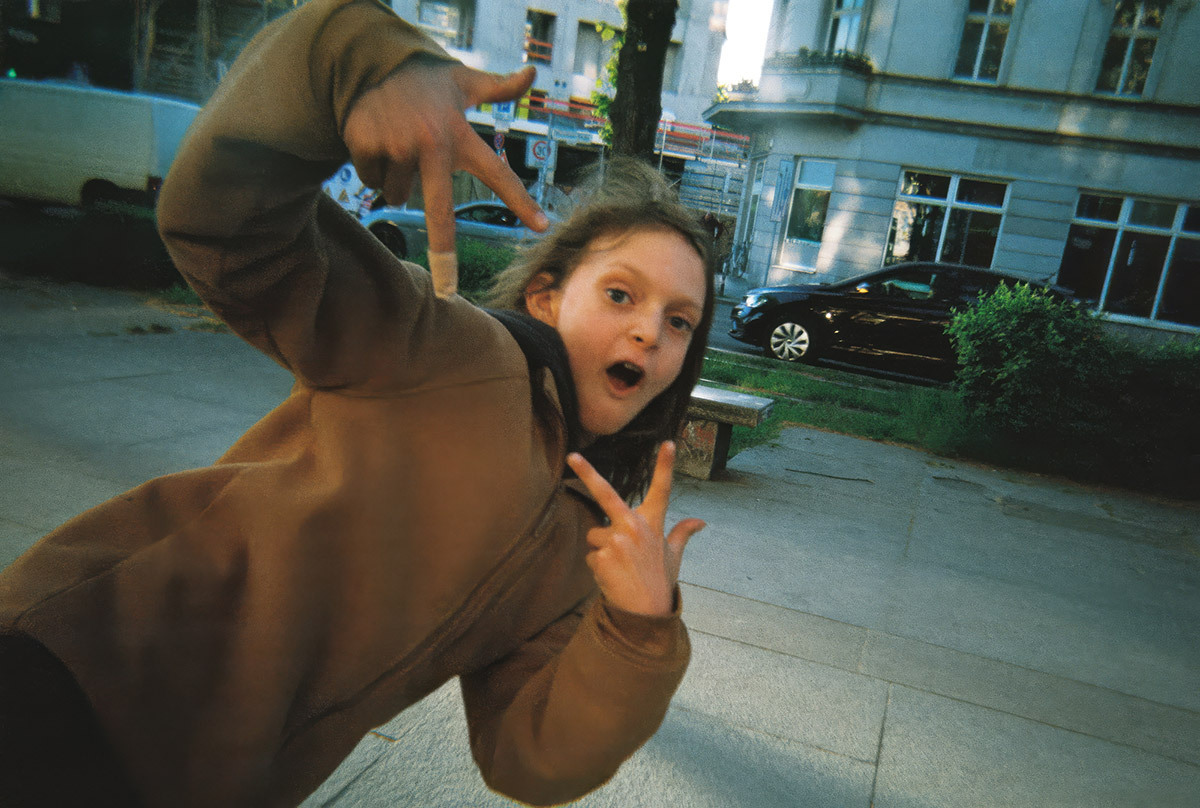
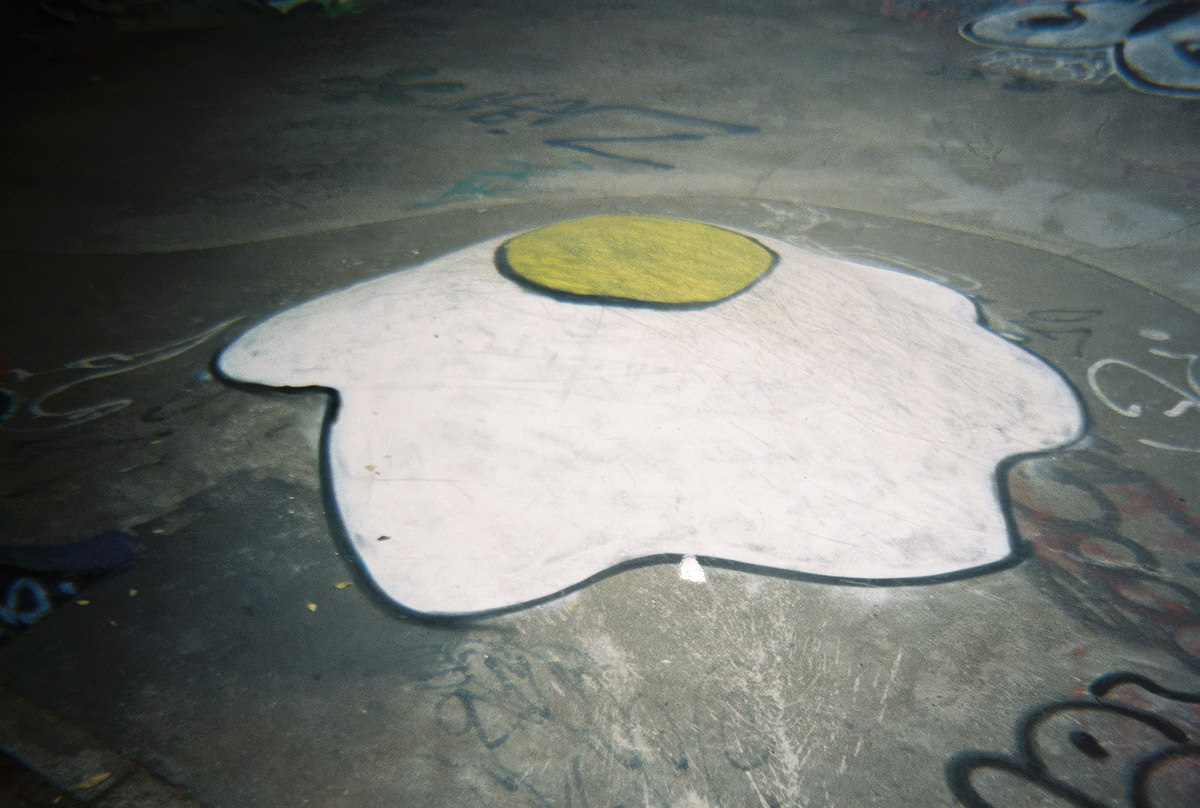
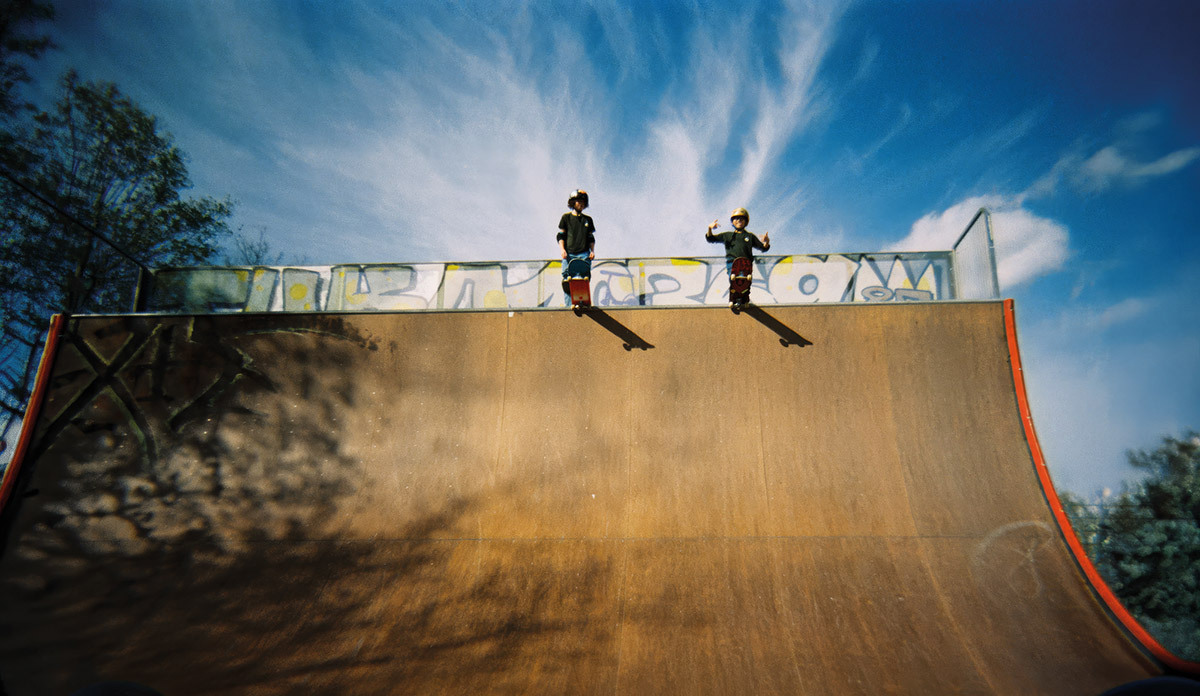
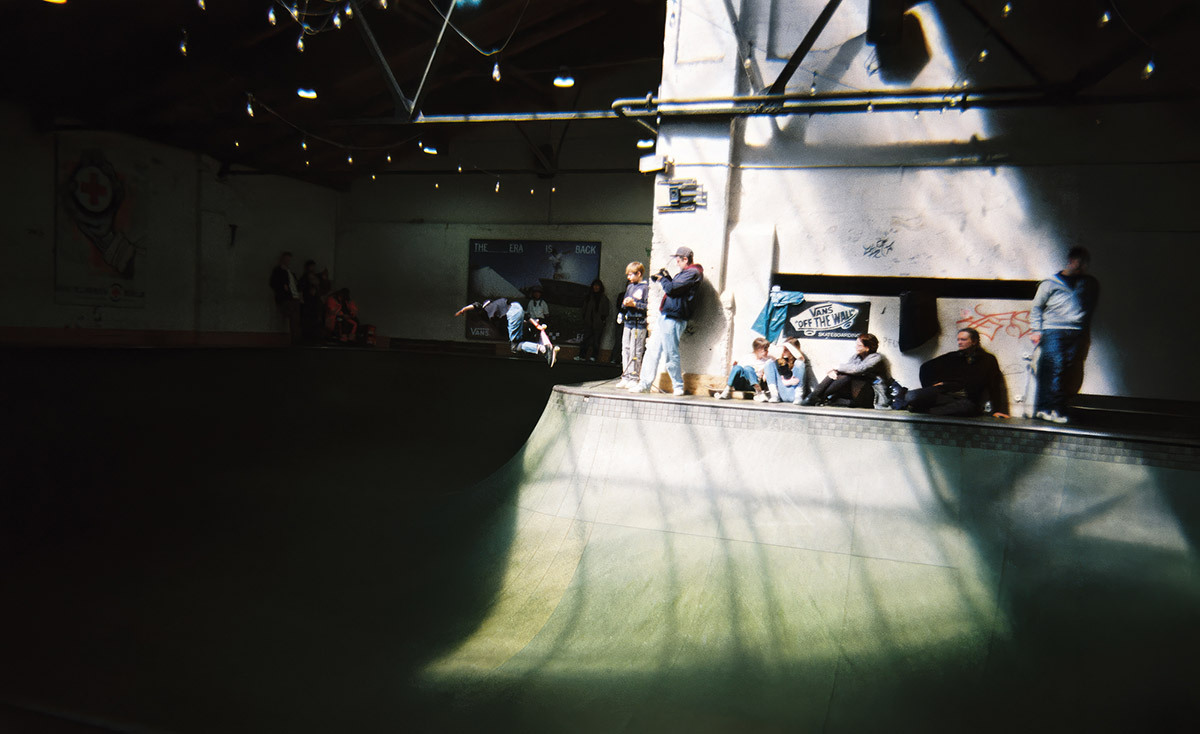
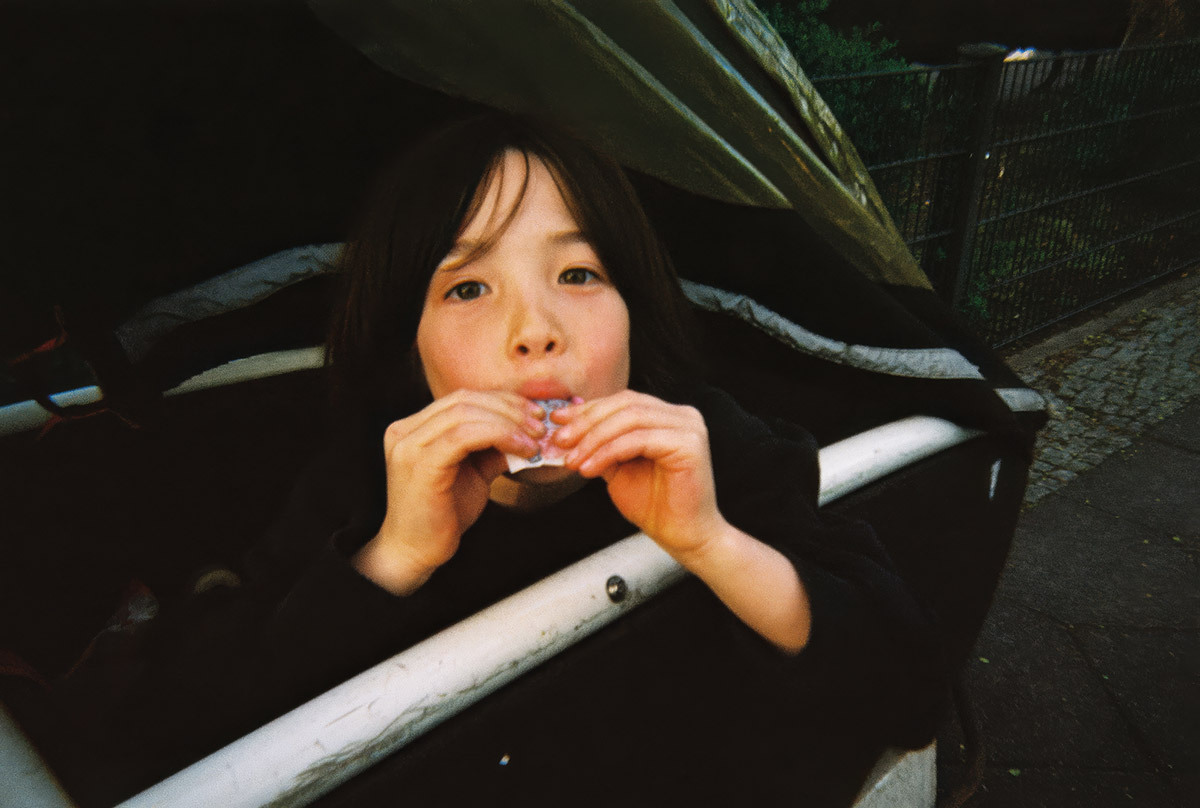
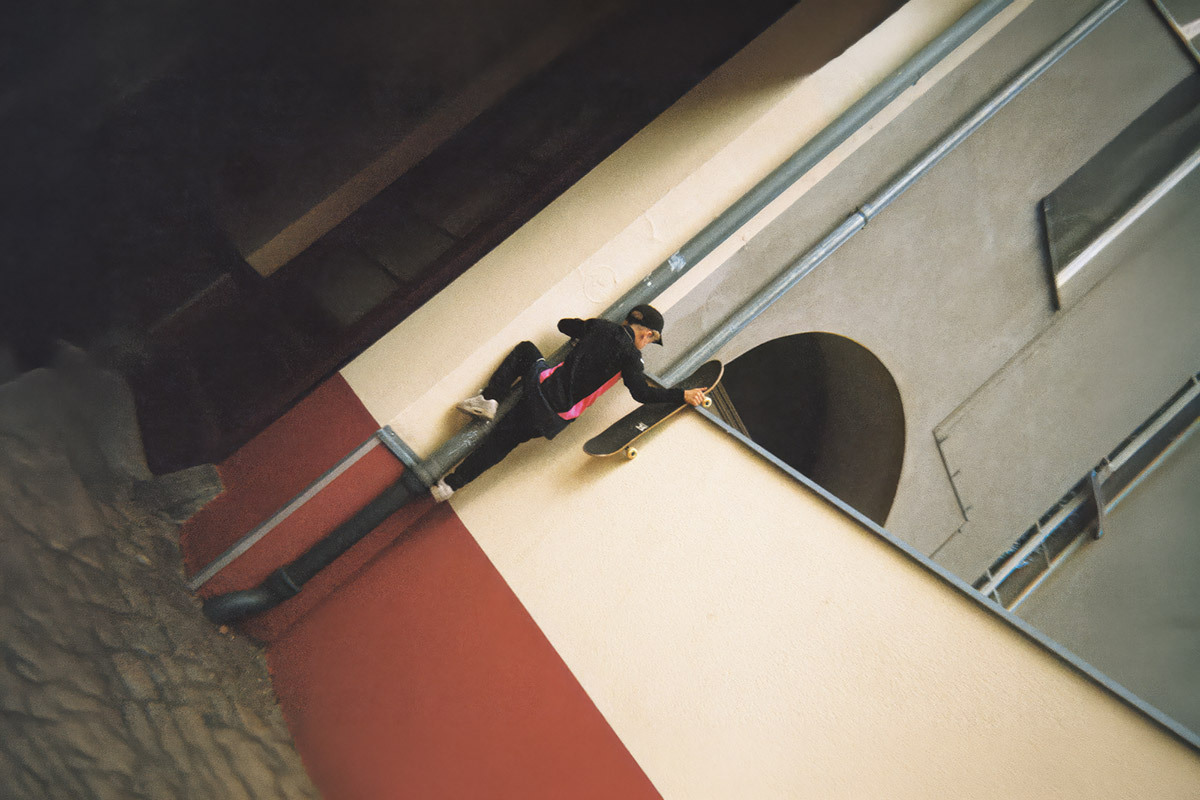
Absolutely. When I first went through the pictures, my jaw literally dropped because the quality was so high, with super interesting framing and perfect timing. One kid – Elliot – did a conceptual series where I thought, “Man, I could do a solo exhibition just with this series, and nobody would ever guess it was shot by a kid.” His mom is a photographer, and when someone in the household is creative, that obviously rubs off quickly. But other kids who didn’t have that background also took incredibly interesting and artistically valuable shots. And that was another goal of mine: to show families, who might not be that into art, that there are alternative paths in life.
Yeah, we definitely sold some pictures. Obviously to parents, but also just to regular visitors. The money was split 50/50 between the gallery and the photographer, as is standard.
The kids were pretty stoked that they were being approached directly to document their view of things. They loved that they were taken seriously from the very start, seen as individuals rather than just kids, and that the project happened completely at eye level. You have a huge age gap in the skatepark anyway, but the interactions there always happen at eye level. I didn’t play the patronizing teacher here or try to explain things in some childish way. I intentionally left them to figure some of it out on their own: “Okay, how do I handle the camera? How does this work?”
Once I decided on the reusable cameras, it was clear that the project would continue. I thought about what kind of umbrella brand to build for it, and that’s how the Analog Archive was born. In the future, it doesn’t necessarily always have to be about kids. The next plan is to hand out cameras to FLINTA skaters in Innsbruck and Vienna. Another idea is to go to Porto to Kate Skateshop. They’re friends of mine who have been incredibly dedicated to supporting the youth from day one and always have a huge crew of kids around them. I’d love to do the project with kids there. Another idea is to collaborate with Skateistan and send cameras to the crisis areas where skateparks have been built. And I’m also thinking about branching out into other subcultures, doing this with BMX kids, or the newest generation of punk kids.
We have our three main sponsors: Blue Tomato, iriedaily, and CHPO. Then we had local support from Brettretter, Skatesencia e.V., Curare Skateboards, Studio Trouble – where the exhibition took place –, and Skate Shop 24. On top of that, there were the shops of course: Barrio, Search and Destroy, both Titus shops, and both Blue Tomato locations.